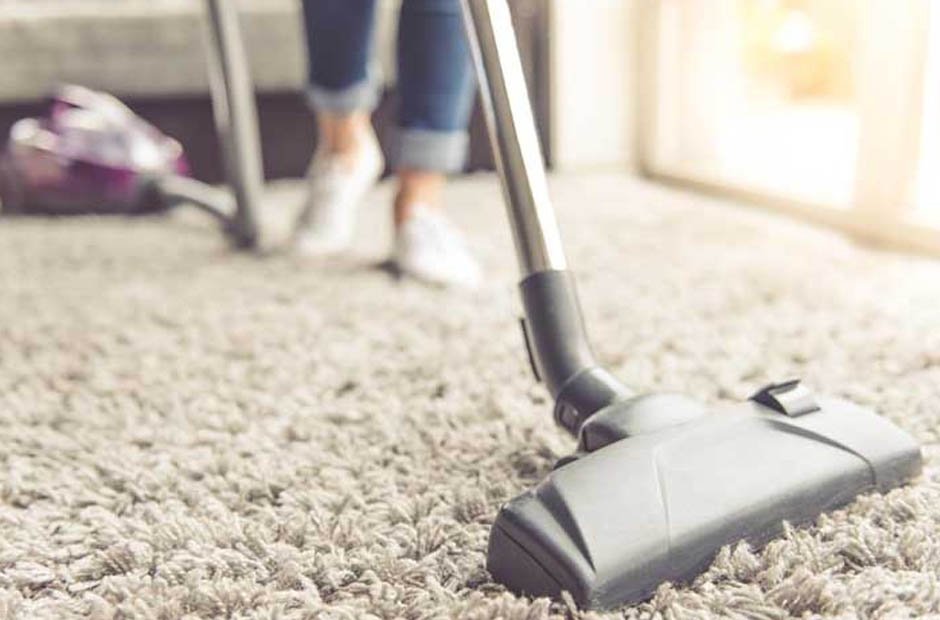
Indoor air quality has moved from background worry to daily priority. In recent surveys, more than 40 percent of people reported distrust in the air inside public venues, and households across the UK are mirroring this heightened attention at home. Carpets, often seen as soft underfoot comforts, play a larger role in indoor health than many expect. Their fibres act like both nets and sponges—capturing allergens, absorbing volatile organic compounds (VOCs), and, when disturbed, releasing particles back into the air.
This article explores how carpet materials, cleaning routines and smart choices can reduce allergen loads. It also connects current air-quality awareness with practical actions, anchoring best practices to recognised research organisations such as the American Lung Association and scientific reviews from MDPI. A detailed look at maintenance routines, material options and deep-cleaning methods offers a practical framework for healthier UK homes. For a service-focused perspective, see this guide.
Why Indoor Air Quality Matters Now
Indoor air quality (IAQ) rarely dominates headlines, yet awareness has risen steadily since 2020. Odour sensitivity, time spent indoors and seasonal allergy trends have pushed more homeowners to track humidity, particulates and VOCs. Health professionals continue to warn that indoor air can be two to five times more polluted than outdoor air.
Because carpets cover expansive surface areas—often 20 to 60 square metres in a typical UK home—they influence air chemistry far more than curtains or upholstery. Dust, pollen and pet dander settle deep into the pile. Static charge and footfall stir those deposits back into circulation. The result: carpets quietly shape the microclimate you breathe.
How Carpets Affect the Air You Breathe
Carpets influence IAQ in two key ways:
- Allergen Reservoir: Fibres trap dust-mite droppings, pet dander, mould spores and fine particulate matter. Activity—walking, vacuuming, even opening windows—can re-release them.
- VOC Interaction: New carpets and underlays may emit VOCs for weeks. Older carpets can absorb VOCs from paints, cleaning chemicals and furnishings, later re-emitting them as temperatures rise.
Think of carpet as a forest floor: it gathers whatever falls onto it, breaks down some particles over time, and releases others when disturbed. A clean carpet supports cleaner air, but a neglected one becomes an invisible emission source.
Choosing Carpet Materials With Health in Mind
Material composition affects both VOC behaviour and allergen retention. While no carpet is fully “allergen-proof,” some materials perform better than others.
| Material | Pros | Cons | Typical VOC Profile |
|---|---|---|---|
| Wool | Durable, naturally flame-resistant, absorbs pollutants | Higher cost, can harbour moisture if humidity is high | Generally low, may absorb VOCs from other sources |
| Nylon | Resilient, long-lasting, easy to clean | Can release VOCs when new | Moderate during initial weeks |
| Polyester | Budget-friendly, colourfast | Less resilient, may hold more dust | Varies by manufacturer |
Look for low-VOC certification, natural or recycled fibres, and high-density construction. Dense fibres trap fewer allergens because debris has less space to settle deeply.
Cleaning: What Actually Reduces Allergens
Carpet care follows a rhythm. Light weekly maintenance reduces surface debris, while deeper methods—monthly or seasonal—remove embedded allergens concentrated in the lower layers. A structured schedule transforms carpets from pollutant traps into active air-quality allies.
Weekly: Dry Maintenance
- Vacuum with a sealed HEPA system.
- Make two perpendicular passes across each section.
- Spot-clean spills immediately to prevent microbial growth.
Monthly: Intermediate Maintenance
- Use a carpet groomer or brush to lift crushed piles.
- Apply low-moisture cleaning solutions in high-traffic areas.
- Check humidity levels (ideally 40–55 percent) to discourage dust mites.
Seasonal: Deep Cleaning
Hot-water extraction, often called steam cleaning, is the most effective method for removing allergens lodged deep within fibres. Professional-grade systems heat water to approximately 60–90°C, loosening debris and extracting pollutants that vacuums cannot reach.
Dry compound cleaning offers a fast-drying alternative, useful for wool carpets and sensitive households. However, it removes fewer deeply embedded particles than hot-water extraction.
Household Strategies for Allergy-Prone Families
Homes with asthma, eczema or pet allergies benefit from a more disciplined approach. Consider the following framework:
- Entry Control: Use double-door mats and adopt a no-shoes policy.
- Humidity Balance: Keep levels within 40–55 percent to limit dust mites.
- Pet Routine: Brush pets outdoors and wash bedding weekly.
- Bedroom Priority: Clean bedroom carpets more frequently than common areas.
- Filter Upgrades: Choose HEPA filtration in vacuums and air purifiers.
Tracking symptoms can also reveal patterns. Many families report higher irritation in early spring and mid-autumn when outdoor allergens mix with indoor heating cycles. A simple IAQ monitor helps highlight spikes in particulates or VOCs.
When to Replace Rather Than Clean
Even the best-maintained carpets age. After eight to twelve years, most fibres show irreversible wear, deeper compaction and persistent odours. These signs suggest that cleaning offers diminishing returns:
- Stains that reappear days after cleaning
- Lingering mustiness despite ventilation
- Frayed or matted pile in high-traffic paths
- Increased allergy symptoms despite routine care
For highly sensitive households, pairing hard flooring with washable area rugs can improve manageability. Rugs can be removed, beaten outdoors and washed—providing a flexible approach without sacrificing comfort.
Tools and Technology That Support Healthier Floors
The expanding indoor-air market has made advanced tools more accessible. IAQ monitors now track particulate matter, VOCs, humidity and temperature in real time. Some models graph 24-hour and 7-day histories, making it easier to identify triggers.
HEPA vacuums have also evolved. Sealed systems prevent fine particles from leaking back into the room. Many models capture 99.97 percent of particles down to 0.3 microns. For larger homes, robot vacuums with HEPA systems maintain daily surface hygiene.
When purchasing new carpets, consider underlays made of natural rubber, felt or recycled materials. They tend to emit fewer VOCs than foam counterparts and often extend carpet life.
Practical Actions to Start Today
- Set a weekly HEPA vacuum schedule for all carpeted rooms.
- Book a professional hot-water extraction every six to twelve months.
- Place washable runners in hallways and entrances.
- Check humidity monthly and adjust with a dehumidifier or humidifier as needed.
- Use IAQ monitors to understand pollutant patterns in real time.